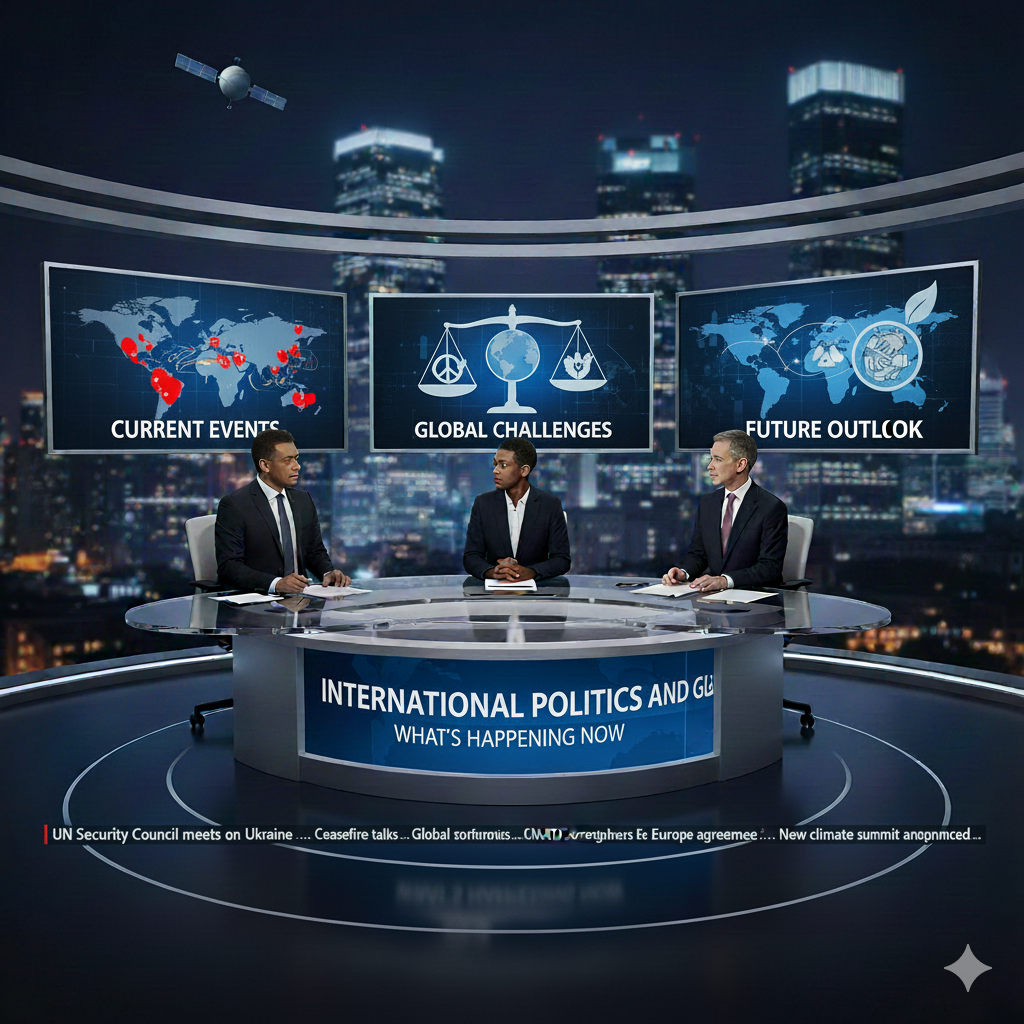
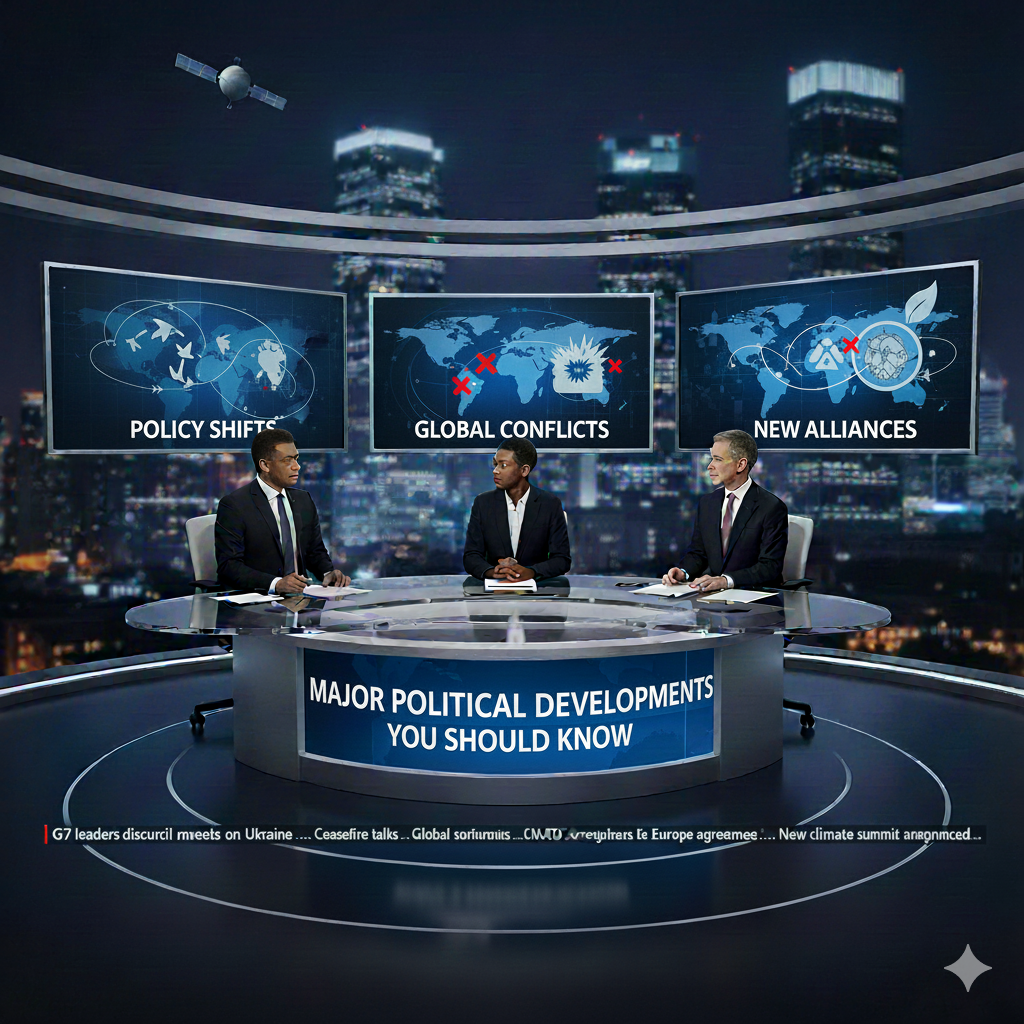
International political decisions made by states and international organizations directly affect economies, security, and daily life in a globe growing more interconnected by the day. The world order is shaped by these choices, which range from economic agreements and climate commitments to military tactics and diplomatic negotiations. Comprehending them aids individuals, organizations, and decision-makers in comprehending a world that is changing quickly.
The Transition to a Multipolar World
The shift to a multipolar global system is one of the most important changes in world politics. One or two powerful countries no longer hold all the power. Global decision-making is instead influenced by a number of nations and regional blocs.
Global governance, trade, and diplomacy are all becoming more important to emerging economies. This change has made it more competitive, but it has also opened doors for more extensive collaboration. International organizations and alliances are changing as governments modify their tactics to deal with this new power dynamic.
Diplomatic Realignments and Strategic Partnerships
Diplomacy remains a cornerstone of international politics. Governments are reassessing traditional alliances and forming new partnerships to address modern challenges such as security threats, trade disruptions, and climate change.
Many countries are adopting multi-alignment strategies, maintaining relationships with multiple global powers rather than relying on a single partner. These diplomatic decisions influence peace negotiations, regional stability, and international cooperation.
Strategic partnerships in trade, defense, and technology are redefining how nations interact on the global stage.
Economic Policy Choices with Worldwide Consequences
Economic policy-related international political decisions have far-reaching effects. To safeguard national interests, governments are negotiating trade agreements, enforcing or removing sanctions, and reorganizing supply chains.
Global markets, consumer prices, and employment are all impacted by trade policies. The use of economic limitations and sanctions as foreign policy instruments is growing, impacting both economic stability and diplomatic ties.
Defense Policies and Global Security
Security-related decisions are among the most impactful in international politics. Governments are increasing defense spending, modernizing military capabilities, and strengthening regional security alliances.
Cybersecurity, space defense, and intelligence cooperation have become critical areas of focus. While these measures aim to enhance national security, they also influence global power dynamics and raise concerns about escalation and arms competition.
Climate Policy and International Collaboration
In worldwide political decision-making, climate change has emerged as a key concern. Governments are making commitments to environmental agreements, investments in renewable energy, and carbon reduction targets.
International diplomacy, industrial strategies, and global energy markets are all impacted by these choices. While inaction can harm diplomatic reputation, climate leadership is increasingly seen as a source of global influence.
Technology, Data, and Digital Power
Technology regulation is a growing focus of international politics. Governments are introducing policies related to artificial intelligence, data protection, cybersecurity, and digital currencies.
Control over technology and data is now considered a form of strategic power. Differences in digital governance models are creating new political and economic divisions, affecting global trade and innovation.
Immigration and Humanitarian Policies
International political decisions on immigration and refugees influence global stability and humanitarian outcomes. Governments are balancing border security with labor needs and humanitarian responsibilities.
Migration policies affect diplomatic relations, regional cooperation, and social cohesion. In many cases, international organizations play a key role in coordinating responses to migration and refugee crises.
Role of International Organizations
International institutions such as the United Nations, World Bank, and regional alliances remain important platforms for political decision-making. Governments influence these organizations through funding, leadership roles, and policy agendas.
While disagreements among major powers sometimes limit effectiveness, multilateral institutions continue to provide frameworks for cooperation, conflict resolution, and global governance.
Crisis-Driven Political Decisions
Crises often accelerate major political decisions. Conflicts, natural disasters, and health emergencies force governments to act quickly, sometimes reshaping long-term policy directions.
Emergency decisions can strengthen international cooperation or expose political divisions. How governments respond during crises often defines their global reputation and influence.
What These Decisions Mean for Citizens
International political decisions are not distant or abstract. They affect fuel prices, job markets, digital privacy, travel rules, and security conditions worldwide.
Understanding these decisions empowers citizens to engage more meaningfully with global issues and hold leaders accountable for their choices.
Conclusion
The world is in focus as international political decisions continue to shape global governance, security, and economic stability. From power shifts and diplomatic realignments to climate action and technology regulation, government choices today will define the future global order.
As global challenges become more complex and interconnected, informed decision-making and international cooperation are more important than ever. Staying aware of these key political decisions helps individuals and societies navigate an evolving world.